The pandemic has ravaged localised MMA shows, with many fighters being forced into inactivity for over a year due to Covid-19 restrictions. Whilst restrictions across Ireland and the UK indicate that live MMA events are allowed (but strictly “behind closed doors”) logistical obstacles such as limits to fighter accommodation, restrictions to fighter medical practices and the difficulty in being financially viable without ticket money have made it almost impossible for regional promotions to operate. Furthermore, venues that would normally host MMA events have been reluctant to hold live events throughout the pandemic, again citing a lack of financial viability as a root cause.
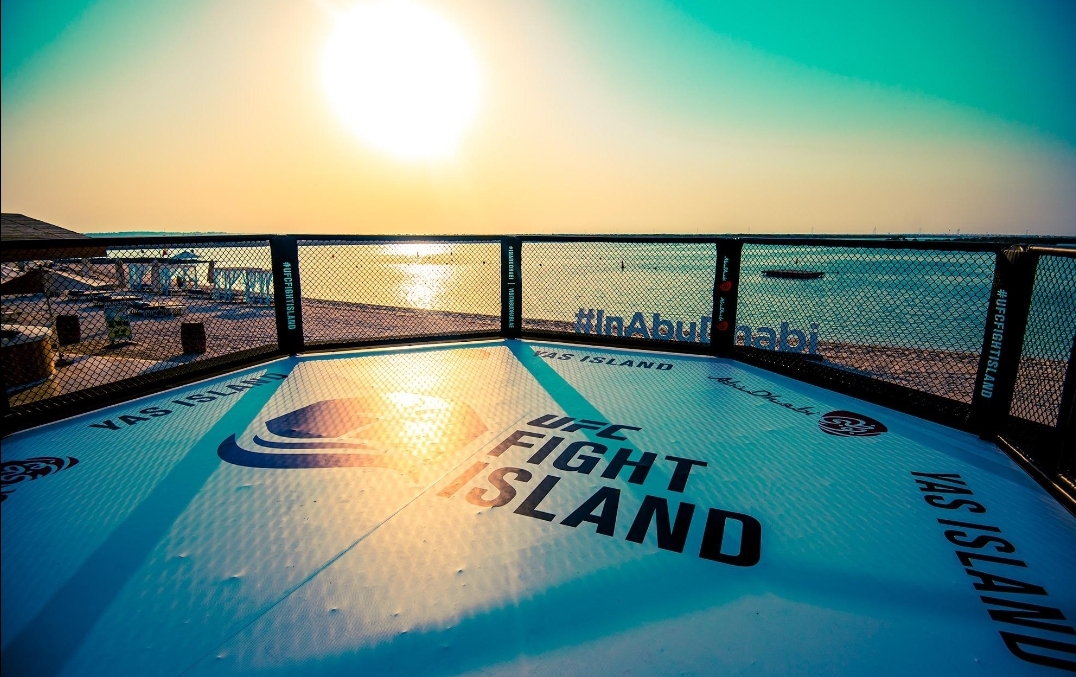
In a change of pace, fighters and fans have been encouraged by the re-emergence of bigger shows including UFC, Bellator and Cage Warriors, who’ve successfully put on events within this period. UFC’s foray back into live event promotion started with the debut of “Fight Island”, a purpose built MMA facility located on an island off the coast of Abu Dhabi. UFC President Dana White wasn’t shy in describing the “state of the art” facilities and Covid-19 testing practices the UFC had employed for these events, and indicated that “Fight Island” was to be a once in a lifetime series of sports production that would lead the way for other sports to assume operation. Whilst many fans had bought into Dana White’s passionate promotion of “Fight Island” and expected the production to look like a scene from “Bloodsport”, the relatively ordinary visuals broadcast through these events were a welcomed breath of nostalgia to what life had been like Pre-Covid. Similarly, Bellator have also been hampered with the resulting limitations of Covid-19, but have broadcast events (including Bellator 255) as an attempt to satisfy the demand for fights by fans and a pay-check by fighters, and resolve their title pictures and tournaments.
Perhaps most reflective of what localised MMA promoters within the UK and Ireland have had to expect when promoting within a pandemic is the epic saga of Cage Warriors 113, an event scheduled for March 13th 2020 in London but occurred on March 20th 2020 in Manchester. The event suffered catastrophe after catastrophe, with multiple fighter fallouts, venue (and city) changes and complete uncertainty on whether the event was to even take place. In spite of the delay to the event (which amounted to a week), Cage Warriors Promoter Graham Boylan seemed more determined than ever to go on with the event, and eventually did. Cage Warriors 113 served as a massive morale boost for many fight fans and competitors, who seen the event as the proof that such events could continue. The event has resulted in an upturn of popularity of the promotion (which is available through BT Sport and UFC Fight Pass) and an increased profile for Cage Warrors, with the promotion now being one of less than a handful of organisations that have cross-promoted with the UFC (Bartosz Fabinski’s decision win over Darren Stewart at Cage Warriors 113).
But with the continual difficulties brought upon by Covid-19, the path to MMA event promotion remains extremely difficult, even over a year removed from the Cage Warriors comeback. Multiple regional events have had to postpone or entirely cease operation due to increased uncertainty surrounding what is allowed by law and governmental procedures. Most recently, Cage Legacy’s “The Aftermath” event was due to take place on April 3rd 2021 on PPV (via streaming) and behind closed doors, but unfortunately had to be postponed due to a number of newer legislative measures enforced by Irish restrictive powers. In a statement confirmed by their promoters, Cage Legacy had been in contact with policing figures and governmental bodies in the prior organisation and eventual postponement of the event, and feel extremely let down by the notice to pull the plug only three days removed from the scheduled fights. This resulting postponement has left the organisers and fighters out of pocket, but hopes remain of a new date being established for the event.
With continual speculation that Covid-19 restrictions are to ease within the UK and Ireland, it’s clear that promoters need concrete guidance on how to proceed with event management. Whilst MMA promoters are currently working behind the scenes with governmental bodies in an unofficial capacity, the entire infrastructure of the grassroots (and beyond) remains as fragile as it was last year. It’s clear that any easing of restrictions need to consider fighter health and fighter wealth, whilst also safeguarding that promotions (and promoters) have a pathway to continue to grow the sport of MMA, without the burden of imminent and unforeseen cancellation.
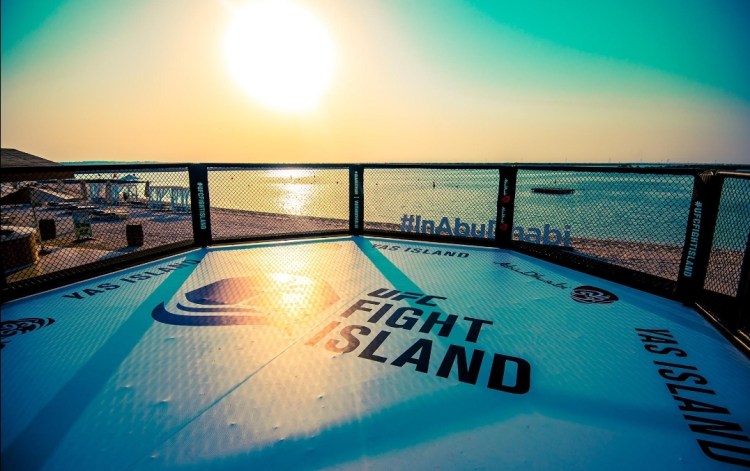
UFC’s “Fight Island” was a resounding success. 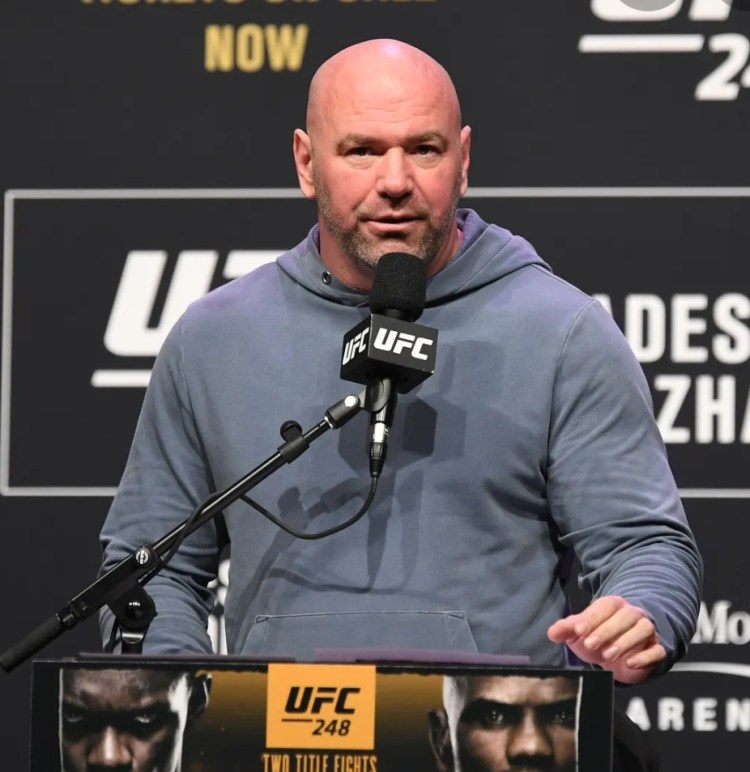
UFC President Dana White vowed to continue with live events, so long as he could guarantee fighter safety. 
Cage Warriors President Graham Boylan (on the left) has built a special relationship with the UFC and continues to promote live events, in spite of difficult circumstances. 
Cage Legacy “The Aftermath”, one of many MMA event casualties due to the Covid-19 restrictions. 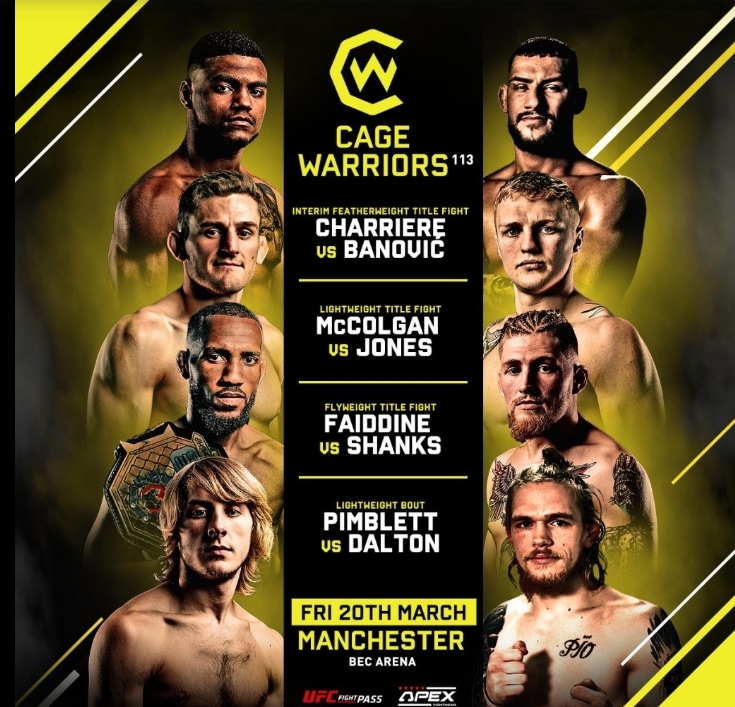
The epic Cage Warriors 113 card, which dramatically changed lineup, venue and date.
 Conflict Collective